At-Home Hyperbaric Chambers: Benefits of HBOT for Recovery, Oxygen Support & Wellness
Hyperbaric Chambers at Home: A New Frontier in Recovery, Oxygen Support & Wellness
In the world of advanced wellness, hyperbaric oxygen therapy — often called HBOT — is becoming one of the most talked-about tools for recovery, longevity, and whole-body support.
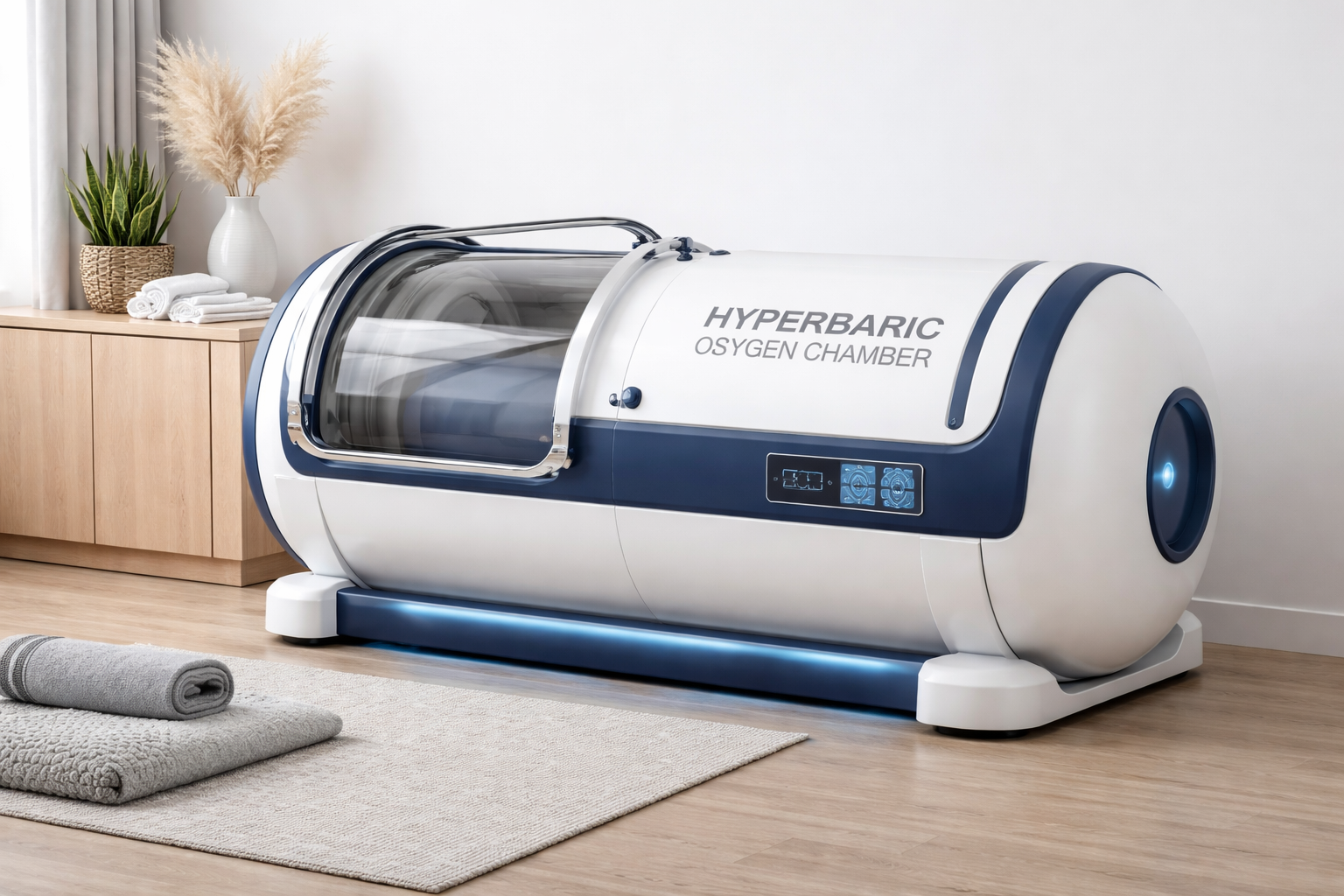
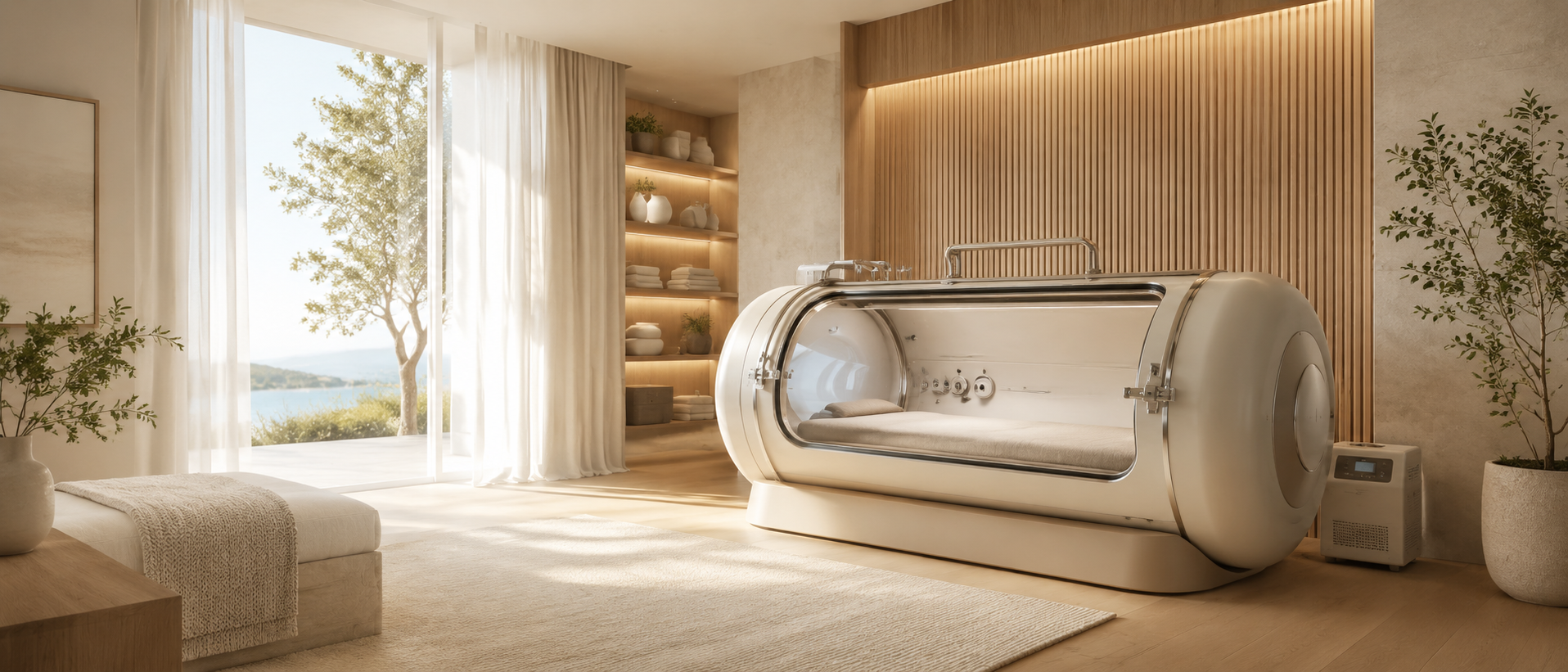
Once found mainly in hospitals and specialty clinics, hyperbaric chambers are now becoming available for home wellness use through soft-sided and mild hyperbaric systems. For individuals who want a more consistent recovery routine at home, an at-home hyperbaric chamber can offer a convenient way to support oxygen delivery, rest, and overall wellness.
At Core Human Health, we believe premium wellness equipment should be chosen with education, clarity, and confidence. Here’s what to understand about hyperbaric chambers, how they work, and why more people are exploring at-home HBOT as part of a recovery-focused lifestyle.
What Is Hyperbaric Oxygen Therapy?
Hyperbaric oxygen therapy involves breathing oxygen in a pressurized chamber. The increased pressure allows the body to take in more oxygen than it would under normal room conditions. Medical-grade HBOT is often delivered in clinical settings at higher pressures and is used for specific medical indications, while many home-use chambers are considered mild hyperbaric systems, operating at lower pressures.
In simple terms, the goal of HBOT is to create an environment where oxygen can be more readily delivered throughout the body. Oxygen plays an essential role in cellular function, energy production, and the body’s natural repair processes.
Why Oxygen Matters for Recovery
Every cell in the body relies on oxygen. When the body is under stress — whether from exercise, travel, poor sleep, injury, inflammation, or everyday demands — oxygen availability can play an important role in how efficiently the body functions and recovers.
Hyperbaric environments are being studied for their effects on oxygen absorption, circulation, tissue oxygenation, fatigue, inflammation, and recovery. Research around mild hyperbaric oxygen exposure suggests that lower-pressure hyperbaric environments may increase oxygen availability in the blood and tissues without the intensity of traditional clinical HBOT protocols.
Potential Benefits of At-Home HBOT
1. Supports Recovery & Physical Performance
One of the most common reasons people explore at-home HBOT is recovery. Mild hyperbaric oxygen therapy has been studied in relation to muscle fatigue, oxygen metabolism, and recovery timing after physical exertion. A 2024 study looked at mild hyperbaric oxygen therapy and muscle fatigue recovery, suggesting potential benefits for recovery-related outcomes.
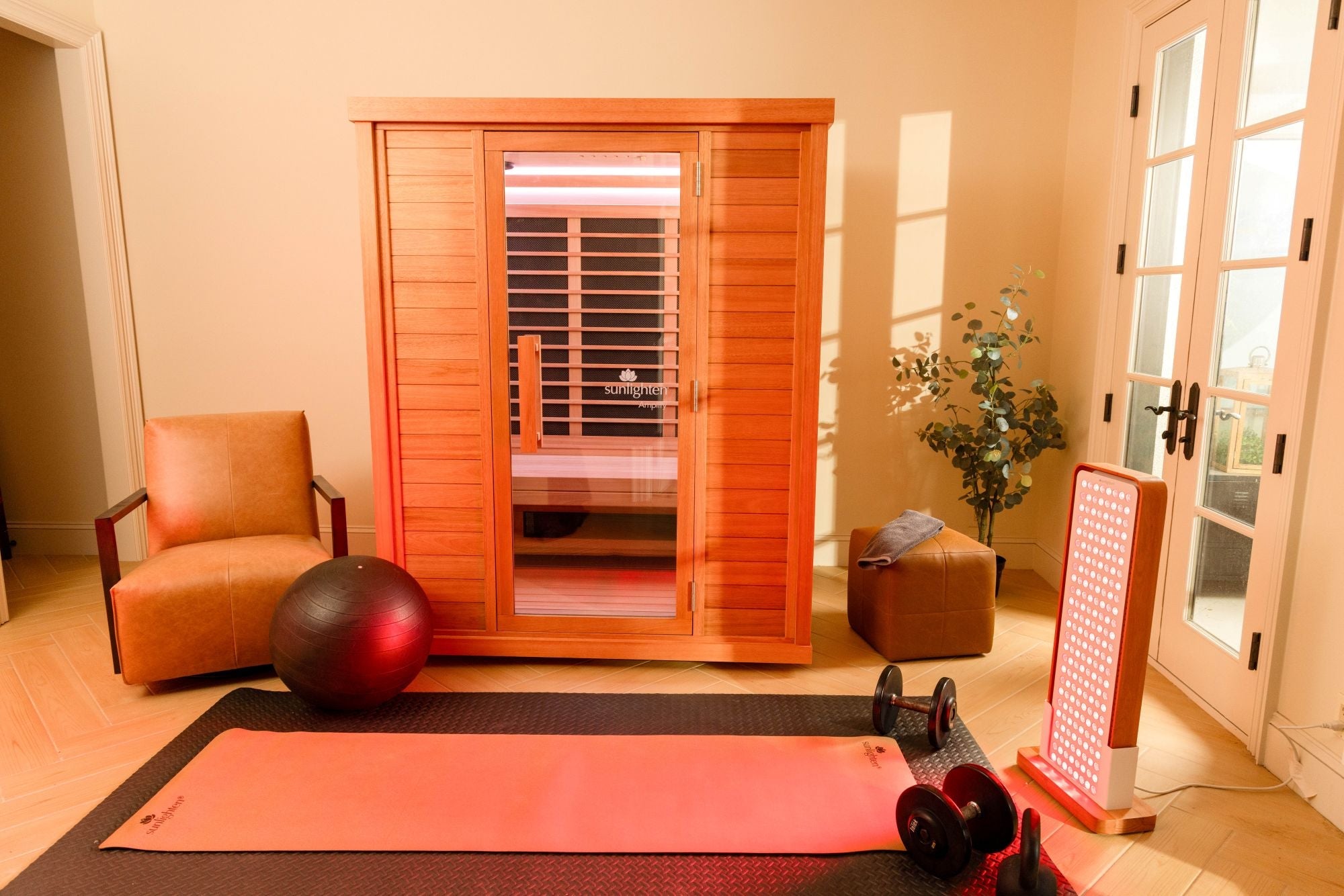
For athletes, active adults, and high-performers, an at-home chamber may become part of a larger recovery routine that includes sauna, cold plunge, red light therapy, mobility, hydration, and quality sleep.
2. Encourages Oxygen Delivery Throughout the Body
HBOT increases oxygen exposure under pressure, which may help the body deliver oxygen more efficiently to tissues. In clinical medicine, HBOT is used for certain conditions where oxygen delivery and tissue repair are central concerns, including specific wound-healing and injury-related indications.
At-home mild HBOT systems are different from hospital-grade chambers, but they are often used by wellness-focused individuals who want to support oxygen availability as part of a consistent lifestyle routine.
3. May Support Brain & Cognitive Wellness Research Areas
Hyperbaric oxygen therapy is being studied in neurological and cognitive wellness research, including areas related to neuroplasticity, brain oxygenation, and nervous system function. A 2024 review described HBOT as an emerging area of interest in neuromodulation research, while other studies are exploring HBOT in aging and cognitive health contexts.
It is important to be clear: at-home HBOT should not be positioned as a treatment or cure for neurological conditions. However, oxygen therapy remains an active area of research for brain health, recovery, and resilience.
4. Supports a Longevity-Focused Wellness Routine
Many buyers are interested in hyperbaric chambers because of the growing conversation around longevity. Research has explored HBOT in relation to aging, inflammation, cellular pathways, and tissue repair. A 2022 review on HBOT and healthy aging noted promising early findings, while also emphasizing the need for more defined protocols and continued research.
For longevity-minded individuals, HBOT may be one piece of a broader wellness strategy — alongside strength training, sleep, nutrition, sauna use, cold exposure, red light therapy, and stress management.
5. Makes Consistency More Convenient
One of the biggest advantages of an at-home hyperbaric chamber is access. Clinic-based HBOT can require frequent appointments, travel time, and scheduling around provider availability. A home chamber gives users the ability to build sessions into their own routine more consistently.
For many people, consistency is what turns a wellness tool from an occasional luxury into a true lifestyle practice.
At-Home HBOT vs. Clinical HBOT
This distinction matters.
Clinical HBOT is typically administered in regulated medical environments and may use higher pressures, often around 1.9 to 3.0 ATA depending on the indication. The Undersea & Hyperbaric Medical Society recognizes HBOT as a standard of care for specific medical conditions, including decompression sickness, carbon monoxide poisoning, diabetic wounds, delayed radiation injury, and others.
At-home hyperbaric chambers are generally mild hyperbaric systems. They are commonly used for wellness, recovery, and oxygen-support routines, but they are not the same as hospital-grade HBOT and should not be marketed as a substitute for medically prescribed treatment.
Safety Matters
Hyperbaric chambers should always be used responsibly. The FDA has warned that HBOT devices carry risks when not used according to manufacturer instructions, including serious injuries and deaths in certain reported cases.
Possible risks of HBOT may include ear or sinus discomfort, pressure-related issues, temporary vision changes, oxygen-related risks, and fire-related hazards in oxygen-enriched environments. Harvard Health notes that complications are uncommon when HBOT is used appropriately for approved conditions, but they can occur.
Before beginning HBOT, users should speak with a qualified healthcare provider, especially if they have lung conditions, ear or sinus issues, a history of pneumothorax, seizure disorders, are pregnant, or are under medical care. Untreated pneumothorax is considered an absolute contraindication to HBOT.
Who May Be Interested in an At-Home Hyperbaric Chamber?
An at-home hyperbaric chamber may appeal to people who are:
- Focused on recovery and performance
- Building a home wellness or longevity space
- Interested in oxygen-support routines
- Looking for non-invasive wellness tools
- Combining sauna, cold plunge, red light therapy, and HBOT
- Seeking a more convenient alternative to frequent clinic visits
It may be especially attractive for those creating a full recovery stack at home — a curated combination of wellness tools designed to support recovery, resilience, relaxation, and long-term consistency.
How Hyperbaric Chambers Fit Into a Wellness Stack
Hyperbaric therapy pairs naturally with other recovery tools:
Sauna supports heat exposure, sweating, relaxation, and cardiovascular-style conditioning.
Cold plunge supports resilience, recovery routines, and contrast therapy.
Red light therapy supports targeted light exposure and is commonly used for skin, muscle, and cellular wellness routines.
Hydrogen water may support hydration and oxidative stress research areas.
Hyperbaric oxygen therapy adds an oxygen-focused recovery modality to the stack.
Together, these tools can create a more complete home wellness environment — one designed around consistency, recovery, and intentional daily rituals.
What to Consider Before Buying an At-Home HBOT Chamber
Before choosing a hyperbaric chamber, consider:
- Pressure level and chamber type
- Soft-sided vs. hard-sided design
- Oxygen concentrator compatibility
- Safety features
- Ease of entry and comfort
- Space requirements
- Noise level
- Warranty and service support
- Training and setup guidance
- Manufacturer reputation
- Medical clearance when appropriate
Because hyperbaric chambers are more technical than many wellness products, expert guidance is especially important.
The CHH Perspective
At Core Human Health, we see hyperbaric chambers as part of the next evolution of home wellness: advanced, recovery-focused tools that allow people to create a more intentional daily routine.
We do not believe in overpromising or turning wellness equipment into medical claims. Instead, we believe in helping customers understand the research, compare options, ask better questions, and choose equipment that fits their goals, space, and lifestyle.
An at-home hyperbaric chamber may be a powerful addition to a premium wellness space — especially for those who are serious about recovery, oxygen support, and long-term consistency.
Final Thoughts
At-home HBOT is not a quick fix, a cure-all, or a replacement for medical care. But for the right person, with the right guidance, it can be a valuable part of a recovery and longevity-focused wellness routine.
As research continues to evolve, hyperbaric chambers are gaining attention for their potential role in oxygen delivery, recovery, healthy aging, and whole-body wellness support.
If you are considering a hyperbaric chamber for your home, Core Human Health can help you understand the options, compare models, and decide whether HBOT belongs in your personal wellness stack.
This article is for educational purposes only and is not intended to diagnose, treat, cure, or prevent any disease. Hyperbaric oxygen therapy may not be appropriate for everyone. Always consult a qualified healthcare provider before beginning HBOT or using a hyperbaric chamber, especially if you have a medical condition, are pregnant, or are under medical care.